hi kids, today we’ll talk about the forgotten Fukushima of Japan.
Background
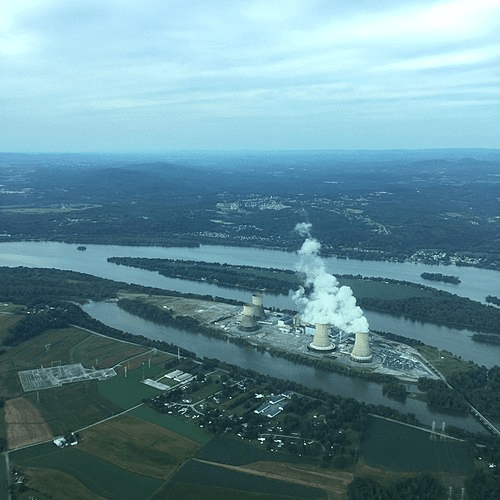
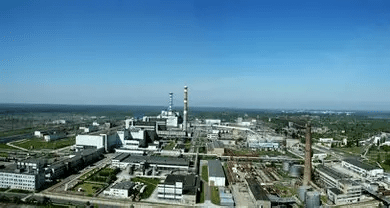
The Tokaimura Nuclear Accidents refer to two separate accidents. One in 1997 and another one in 1999. The accidents took place in a chemical processing facility in the CTB in the JCO site in Tokaimura, a large village 120km northeast of Tokyo in Ibaraki Prefecture. The JCO site was also close to the town of Nakamachi. At the time of the 1999 accident, around 310,000 people lived in a 10km radius. There were also many nuclear installations operating in Tokaimura, including a BWR nuclear power plant of Japan Atomic Power Company (JAPCO), the Tokai Nuclear Power Plant, which happened to be the first commercial nuclear power station in the country, a nuclear fuel manufacturing plant, research reactors, and a fuel reprocessing plant.
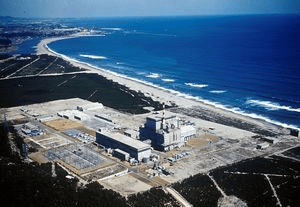
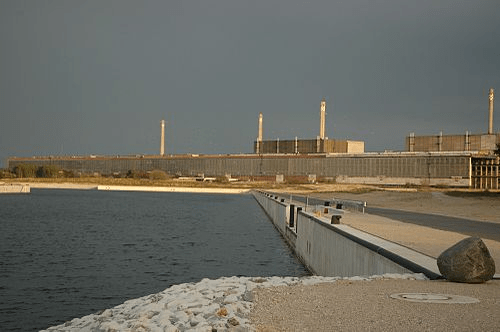
^ The Tokaimura nuclear fuel processing plant.
The particular JCO plant at Tokai was commissioned in 1988 and processed up to 3 tonnes per year of uranium enriched up to 20% U-235, a much higher enrichment level than for ordinary power reactors, using a wet process.
The approved nuclear fuel preparation procedure involved dissolving uranium oxide (U3O8) powder in nitric acid in a dissolution tank, then its transfer as pure uranyl nitrate solution to a storage column for mixing, followed by transfer to a precipitation tank. This tank was surrounded by a water-cooling jacket to remove excess heat generated by the exothermic chemical reaction. The prevention of criticality was based upon the general licensing requirements for mass and volume limitation, as well as upon the design of the process. A key part of the design was the storage column with a criticality-safe geometry and allowing careful control of the amount of material transferred to the precipitation tank.
However, the company’s work procedure was modified three years earlier, without permission from the regulatory authorities, to allow uranium oxide to be dissolved in stainless steel buckets rather than the dissolution tank. It was then modified further by the operators to speed the process up by tipping the solution directly into the precipitation tank. The mixing designed to occur in the storage column was instead undertaken by mechanical stirring in the precipitation tank, thus bypassing the criticality controls. Also, there was no proper control of the amount tipped into the 100-litre precipitation tank, and its shape (450 mm diameter and 660 mm high) enhanced the likelihood of criticality within it.
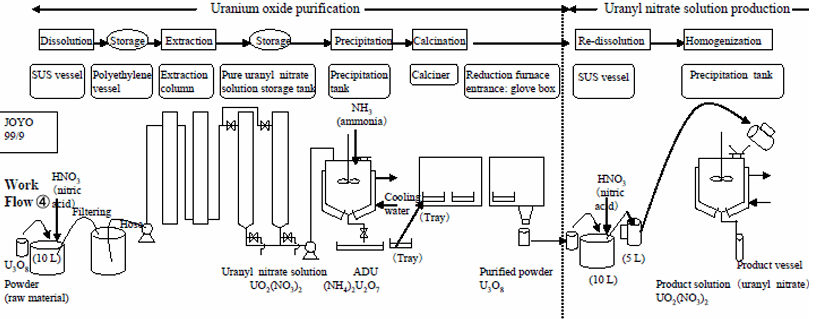
^ Production system of UNH in September 1999.
1997 Accident
On 11 March 1997 (Ironically, on the same date 14 years later Fukushima will happen), Tokai will suffer a nuclear waste accident, named the Donen accident (動燃事故, Dōnen jiko). On said date, a fire and explosion occurred at the asphalt solidification treatment facility. The site encased and solidified low-level liquid waste in molten asphalt (bitumen) for storage, and was trialing a new asphalt-waste mix, using 20% less asphalt than normal.
At 10:06AM, in the drums that were filled with asphalt solidified material, a fire broke out due to an increase in the temperature of several drums containing said mixture. Radioactive materials in the solidified body spread into other buildings, and workers were evacuated.
After the fire, a malfunction occurred in the ventilation system, making ventilation in the facility impossible. At around 8pm, on the same day, an explosion occurred at the facility, damaging the windows and doors of the building, and releasing radioactive materials into the environment. The air radiation around the area rose slightly around 8:40 pm but returned back to normal range after 9:00 pm on the same day.
Of the 129 workers who were in the building at the time, 37 of them were exposed to radiation. This accident was ranked level 3 (serious abnormal event) on the International Nuclear Event Rating Scale and was reported to the IAEA.
1999 Accident
From the morning of 29th September 1999, three workers were preparing a small batch of fuel for the JOYO experimental fast breeder reactor, using uranium enriched to 18.8% U-235. The aim was to manufacture 57 kg U of UNH solution for the fuel processing, which was to be used in JOYO. According to the IAEA report in 1999, “The workers were only cautious of avoiding the sedimentation of solution, without any consideration of a “supercritical mass” problem. There was a mass limitation, the so-called “one batch restriction”, which strictly restricted the mass to less than 2.4 kg U for each step of all production processes.”
By the end of September 29th, the workers had already finished 4 batches (9.71 kg U) and started to repeat the same process for the remaining 3 batches (7.06 kg U), starting around 10:00 in the morning of September 30. On the faithful morning, around 10:35 AM, while pouring the 7th batch to the precipitation tank, workers felt a strong shock and heard a strange sound. One even reported a “bluish white flash”. They immediately stopped pouring and escaped the room.
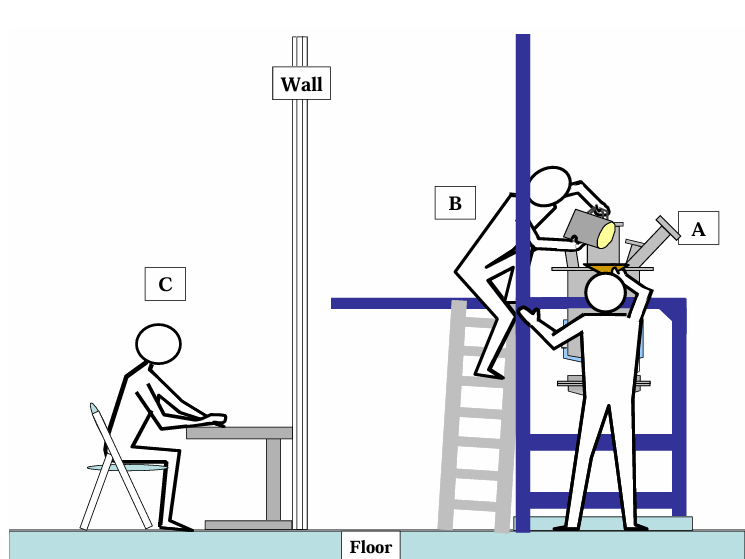
^Diagram of the 3 workers on the day of the accident
The nuclear fission chain reaction became self-sustaining and began to emit gamma and neutron radiation, triggering alarms. There was no explosion. The criticality continued for the next ~20 hours and only stopped when the cooling water surrounding the tank was drained away, since the water acted as a neutron moderator.
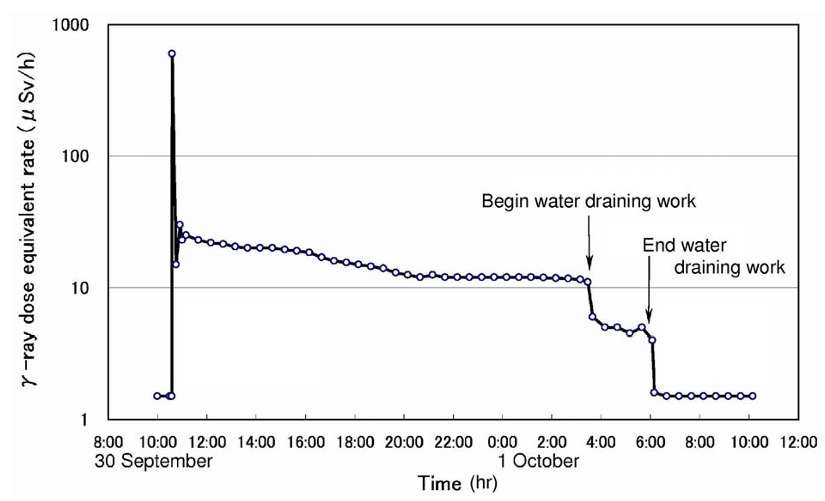
^ Records of a gamma-ray monitor in the JCO facility.
Victims of the accident
After evacuating, one of the workers began experiencing symptoms of radiation exposure. The worker passed out, then regained consciousness 70 minutes later. In addition to these 3 workers, another 56 people at the JCO plant were exposed to radiation. The three workers, Ouchi, Shinohara, and Yokokawa, received 17 Sv, 10 Sv, and 3 Sv of radiation respectively. For comparison, a normal radiation exposure per year is around 0.0062 Sv.
Hisashi Ouchi was immediately transported to the University of Tokyo Hospital. He had severe radiation burns, damage to his internal organs, and a near-zero white blood cell count. On the 21st of December 1999, Ouchi passed away after a cardiac arrest.
Masato Shinohara was transported to the same hospital. He underwent radical cancer treatments, skin grafts, and a transfusion to boost stem cell count. However, he was unable to fight the radiation-exacerbated infections and internal bleeding and later died of lung and kidney failure on 27 April 2000.
Yutaka Yokokawa received treatment from the National Institute of Radiological Sciences in Chiba, Japan. He was released in three months and faced negligence charges in October 2000.
Cause
There are several causes to this accident. First, workers were supposed to dissolve uranium oxide powder in nitric acid inside a designated, safe dissolution tank. Instead, to save time, they bypassed this step and poured the solution directly into a stainless-steel precipitation tank using buckets. The tank was not designed to prevent criticality.
Secondly, regulations stated that the uranium mass per batch should be limited to around ~2.4 kg U-235. However, the workers poured around 16-17kg of U-235 into the precipitation tank instead. In conclusion, several human errors are the main root cause to the 1999 criticality accident.
 DasBlog
Leave a comment